

Irene Nasimiyu
November 06, 2026
As world leaders departed Yerevan after the UN Biodiversity Conference (COP17), attention turned to the urgent task of turning pledges into tangible outcomes for wildlife.
This year’s summit marked the inaugural Global Review under the Kunming-Montreal Global Biodiversity Framework (KMGBF). It exposed gaps between political rhetoric and delivery, especially in funding, subsidies and marine protection.
While the Yerevan Pathway secured approval, persistent funding shortfalls have led campaigners to question whether global action is moving quickly enough to halt and reverse biodiversity loss by 2030. That concern is sharpened by what happens far from the summit.
Far from the conference halls, these international frameworks are tested daily and locally around the world. From the Caucasus Wildlife Refuge in Armenia to Kenya’s risky roads, the Tacugama Chimpanzee Sanctuary in Sierra Leone, and the Lola ya Bonobo sanctuary in the DR Congo, global pledges meet local realities daily.
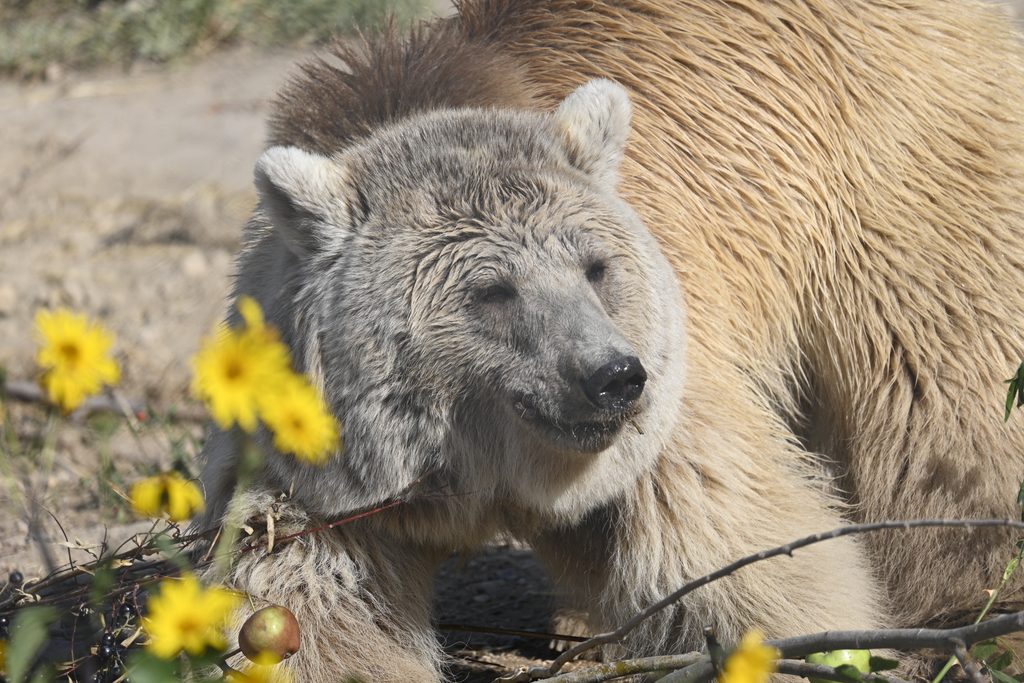
Just like Ramba, a young critically endangered chimpanzee, at the Tacugama Chimpanzee Sanctuary in Sierra Leone that is learning from humans to live again after being paralised, within the secure boundaries of the Caucasus Wildlife Refuge in Armenia, rescued bears stand as living testaments to resilience and recovery. Many have endured life-threatening ordeals. Now they face months of expert rehabilitation.
For the 2026 CBD COP17 Fellows, supported by Informed Earth and Internews’ Earth Journalism Network, a visit to the Caucasus wildlife rescue center in Armenia during COP17 offered more than the chance to see rescued animals. It raised the question of whether nature has a right to exist beyond its usefulness to humans.
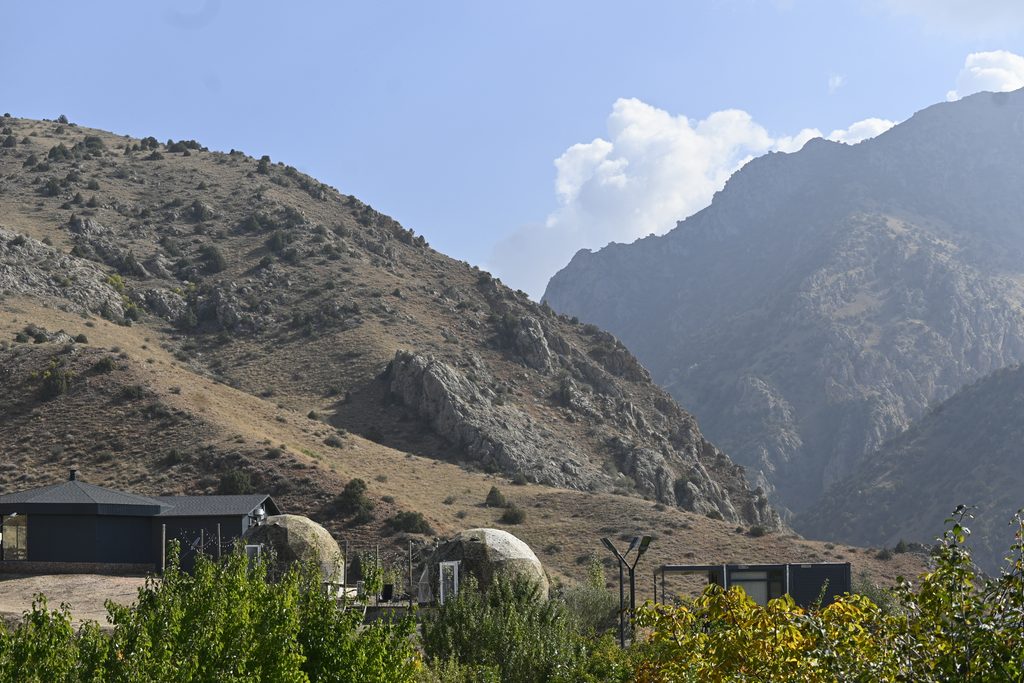
Established as the South Caucasus region’s pioneer privately protected area, the Caucasus Wildlife Refuge (CWR) covers nearly 30,000 hectares of natural habitat. The land has been overseen by the Foundation for the Preservation of Wildlife and Cultural Assets (FPWC) since 2011. Bordering the Khosrov Forest State Reserve, the reserve safeguards vulnerable ecosystems and unique plant life while providing a secure haven for rare wildlife, including brown bears, Armenian vipers, and endangered leopards.
As delegates and conservationists debated the future of biodiversity, the answer became harder to ignore. Nature is far more than a resource for human exploitation. It is a living system on which humanity relies. Its survival warrants protection on its own merits.
Giving wildlife a second chance
At the Caucasus Wildlife Refuge, conservation is not merely an abstract concept debated in conference halls. Here, it is a daily responsibility. It demands care, patience and difficult decisions. The rescued bears embody that work.
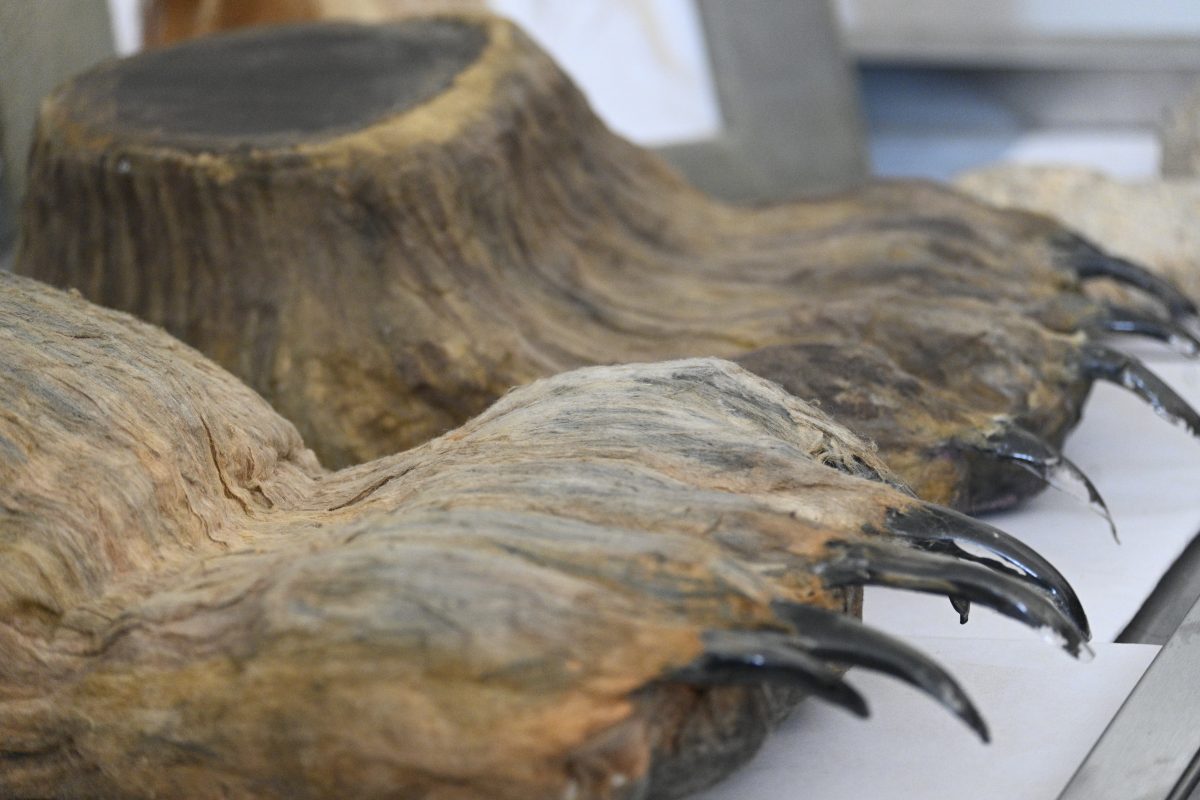
Narine Piloyan, the coordinator of bear care activities at the center, explains that rescued bears can remain under care for up to two years. Throughout this period, their health is closely monitored, and they receive veterinary attention until they are deemed ready for release.
The ultimate goal is not indefinite captivity but the return of animals to nature when they are healthy and fit for release. This gives them a chance to live in their habitats and contribute to future generations.
“We believe they too have a right,” the attendant says, stressing the principle that animals deserve the opportunity to live beyond the threats that brought them into human care.
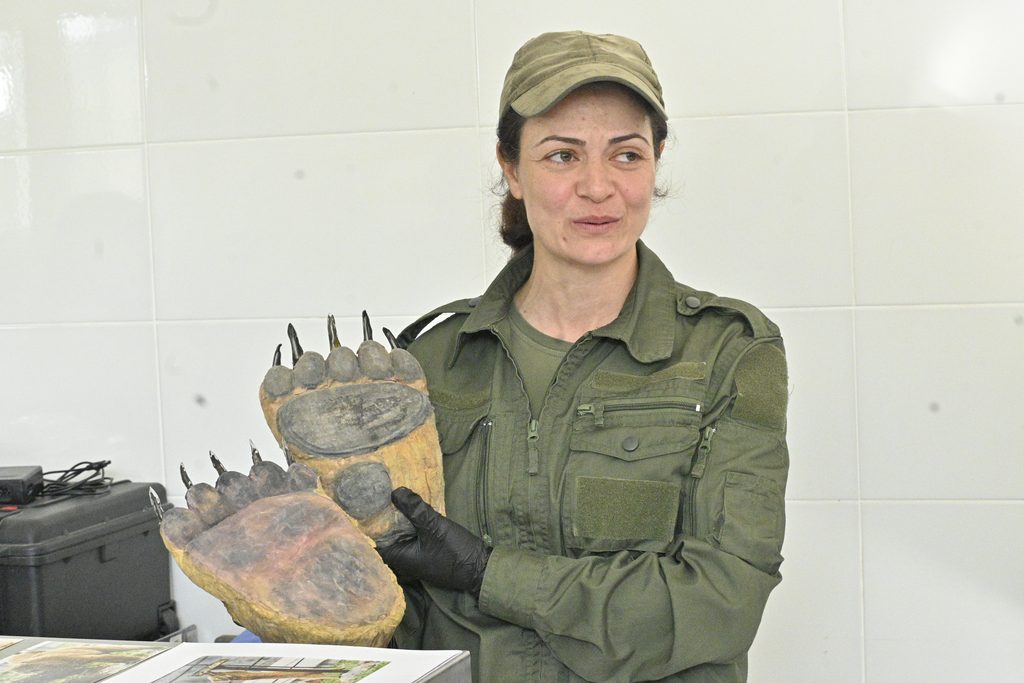
The work shows that conservation is more than rescuing animals after harm has occurred. It demands sustained investment in rehabilitation, responsible release and habitat protection. Only then can wildlife survive independently. Every rescued animal is a reminder. Human activity can threaten nature. But deliberate intervention can help restore what has been lost.
A similar commitment to protecting and rehabilitating vulnerable wildlife is taking place at the Tacugama Chimpanzee Sanctuary in Sierra Leone. There, a young, critically endangered western chimpanzee named Ramba receives round-the-clock medical care and rehabilitation after suffering severe paralysis from a rare viral illness.
Her caregivers provide daily physical therapy, specialized nursing, and tailored forest walks to support her long-term recovery. Ramba’s ongoing journey highlights how true conservation moves beyond political summits into daily, practical action.
A financial boost for nature: Turning promises into protection
Beyond the rescue centre, COP17’s agenda highlights another essential requirement. Funding is needed to turn commitments into meaningful action for wildlife.
The COP17 received a significant financial boost, with $500 million in additional pledges to the Global Environment Facility (GEF) and the Global Biodiversity Framework Fund (GBFF). The resources are intended to provide targeted support to countries and communities working to conserve and restore nature and ensure the long-term health and sustainability of wild species and ecosystems.
The announcement signals a recognition that biodiversity protection requires more than political declarations. Countries need resources to restore degraded habitats, strengthen conservation programmes, protect threatened species and empower communities living alongside wildlife.
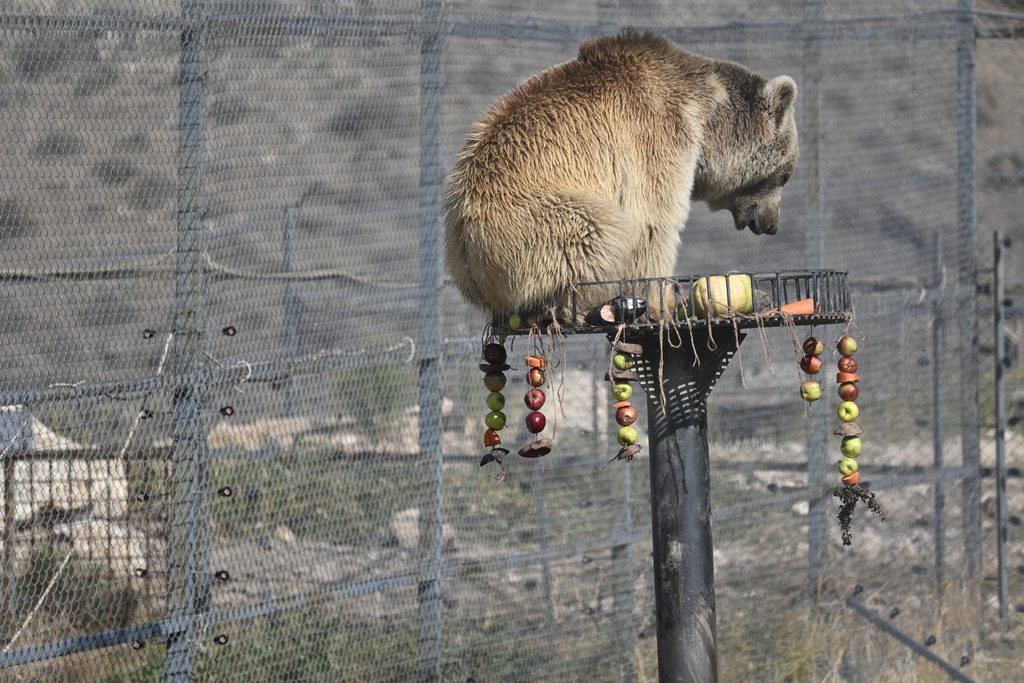
For a refuge caring for rescued bears, this global financial commitment highlights a fundamental truth. Conservation comes at a cost. Veterinary care, rehabilitation, skilled personnel, habitat restoration and measures to prevent human-wildlife conflict all require sustained funding.
Yet the announcement also raises another important question. How effectively will these resources reach the communities and conservation programmes that need them most?
Funding pledges are a starting point. Their value depends on implementation, accountability and results. Communities must be able to access support. Conservation organisations need the capacity to turn resources into lasting improvements for wildlife.
Nature is wealth, not a burden
For Narine and her team in Armenia, protecting wildlife is also an investment in prosperity.
“Saving nature is a way of wealth,” she explains, linking conservation to healthier communities, tourism and opportunities for learning.
The argument challenges the idea that protecting wildlife conflicts with economic development. Healthy ecosystems support human well-being. Wildlife and natural landscapes can attract tourists, create livelihoods and offer education for communities.
For local residents, the value extends beyond financial returns. Living alongside wildlife and exploring the natural world brings pride and enjoyment. It also creates a deeper sense of responsibility for the environment.
Yet conservation cannot rest on goodwill alone. It requires practical measures that let people and wildlife coexist safely.
Staff point to electric fencing as one intervention. If designed and managed well, it can reduce human-wildlife conflict. These measures protect communities and lower the risk that animals are harmed in retaliation for entering settlements.

Kenya’s conservation question: Who protects the animals on our roads?
Thousands of kilometres away from Armenia, Kenya faces a related challenge. Conservation is supported by conservationists, institutions and community initiatives, yet the broader question of how society treats animals remains visible on ordinary roads.
In towns and residential areas, the sight of dogs lying dead along roadsides serves as a reminder of how easily animal lives are overlooked.
Why does this happen? Are roads adequately marked to warn drivers about animals crossing? Are motorists sufficiently aware of the need to slow down where animals are likely to appear? And where dogs depend on human owners, are their welfare and safety being adequately considered?
These questions demand evidence. Road deaths may result from speeding, poor visibility, bad road design or animals wandering unsupervised. Neglect and lack of access to food are separate problems but do not automatically explain road fatalities.
During a panel discussion, Paul Matiku, executive director of Nature Kenya, stressed the need for road signs to warn motorists about animal crossings, especially in areas near forests. He also highlighted the importance of ecological knowledge and community empowerment through media. He urged organisations to set up funds for conservation reporting.
His comments show the need for a more comprehensive approach. Infrastructure should reflect the presence of wildlife. Scientific knowledge must inform decisions. Communities need information and resources to help protect nature.
Road signs, speed limits, wildlife crossings and public education make shared spaces safer. For domestic animals, responsible ownership, secure confinement and access to veterinary services are just as important.
From COP17 commitments to everyday action
The conservation discussions at COP17 must lead to real action beyond the conference halls. The extra $500 million in pledges is a chance to strengthen conservation efforts. But financial commitments must be matched by effective implementation and community participation.
The experience at the Caucasus Wildlife Refuge offers one lesson. Kenya’s conservation challenges offer another. One shows the value of rescuing and rehabilitating animals. The other highlights the need to prevent harm before it occurs.
Both point to the same responsibility. Conservation cannot begin and end with charismatic wildlife or protected reserves. It must extend to habitats, roads, domestic animals and the communities whose choices shape the natural world.
Nature’s right to exist should not depend on whether an animal attracts tourists, generates income or provides humans with pleasure. These benefits matter, but they are not the only reason for protection.
The rescued bears in Armenia deserve the chance to return to the wild. Animals crossing Kenyan roads deserve safer environments. Communities deserve healthy ecosystems and practical solutions to the conflicts that arise when human development encroaches on nature.
The measure of COP17 is not how many promises were made or how much funding was announced. It is whether those commitments prevent suffering, restore habitats and let other living beings continue to exist. The real test is whether these promises become lasting protection for nature. In the end, COP17 must be judged by the action it delivers on the ground, where wildlife lives every day.
This story by Irene Nasimiyu, a member of Apes Reporting Project, was produced as part of the 2026 CBD COP17 Fellowship, operated by Informed Earth in collaboration with Internews’ Earth Journalism Network.

