


Fatuma Bugu in Armenia
October 18, 2026
Nine major private donors, including the Bezos Earth Fund, have pledged $500 million to help save species on the brink of extinction, with some animal populations now reduced to fewer than 50 individuals. The announcement was made at the COP17 Leaders’ Summit in Yerevan, Armenia.
Several species of great apes in Africa, including mountain gorillas, eastern chimpanzees and western lowland gorillas, are now on the verge of extinction. Habitat loss, poaching and disease have driven numbers to critical lows, with some populations numbering in the hundreds. Conservationists warn that without urgent action; these iconic primates could disappear within a generation.
Now, the newly formed Species Recovery Donor Alliance, unveiled by Dr Christian Samper, managing director of the Bezos Earth Fund, will support conservation measures in over 100 countries. The alliance will focus on species at risk of vanishing altogether unless urgent action is taken.
“For some species, protecting habitat is simply not enough,” Dr Samper told delegates, stressing the need for targeted interventions beyond traditional land and marine conservation efforts.
The initiative backs Target 4 of the Kunming-Montreal Global Biodiversity Framework, which calls for urgent steps to prevent human-driven extinctions and to aid the recovery of threatened species.
According to the International Union for Conservation of Nature’s Red List, more than 31,000 species are listed as critically endangered, endangered, or extinct in the wild. Over 10,000 species are critically endangered, with some populations numbering fewer than 50 individuals.
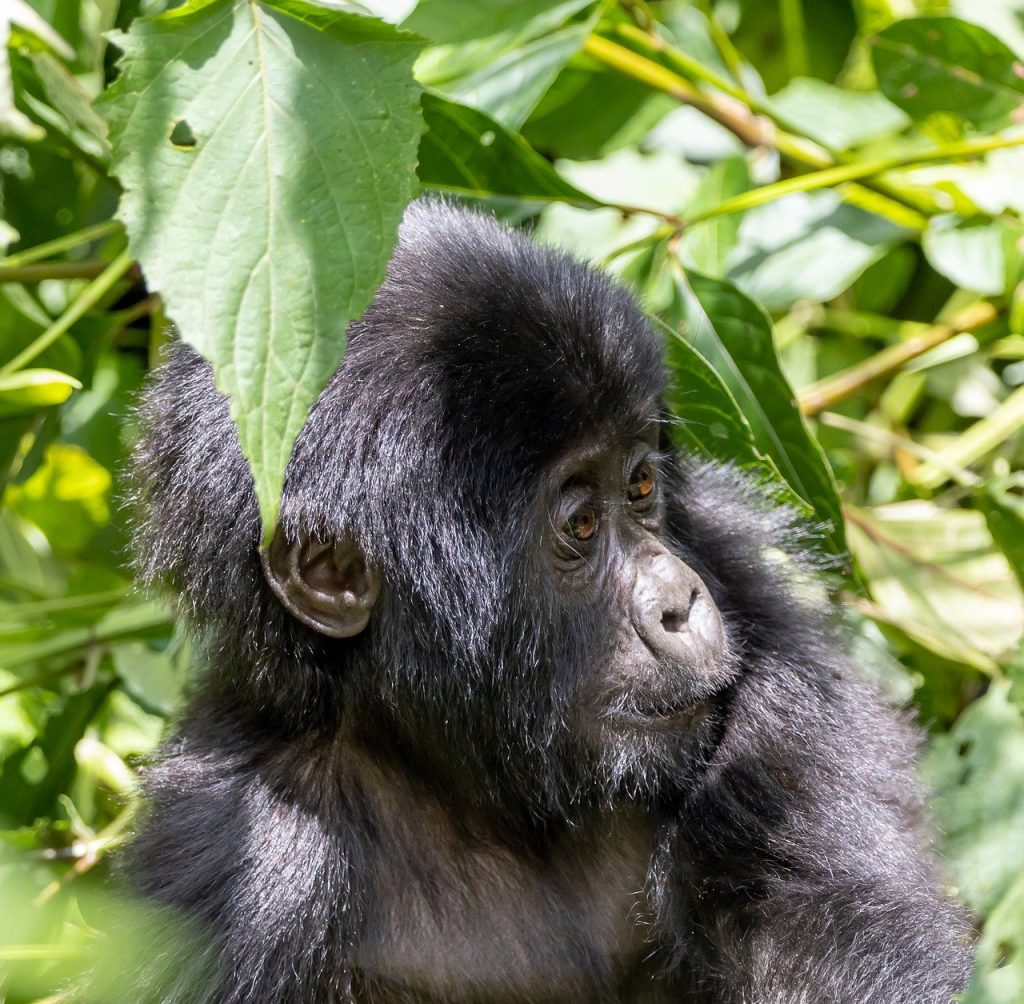
For these species, the window for action is rapidly closing. “Governments are raising their ambition, and funders must do the same,” Dr Samper said, urging greater urgency in delivering on global biodiversity promises.
The alliance will build on existing initiatives, including the Phoenix Species Project—a collaboration between the Bezos Earth Fund and Leonardo DiCaprio’s Rewild—which aims to recover 100 critically endangered animal and plant species in 30 countries.
The announcement comes as another major conservation funding initiative reports progress towards its global goals.
The Protecting Our Planet (POP) coalition, made up of 12 private donors, has pledged $5 billion by 2030 to help protect and conserve at least 30% of the world’s land and oceans. By the end of 2026, the coalition expects to have awarded $3.7 billion of its total pledge, working with governments and local communities worldwide.
“Funding is important, and it can be catalytic. But what is more important is the impact that funding makes possible,” he added.
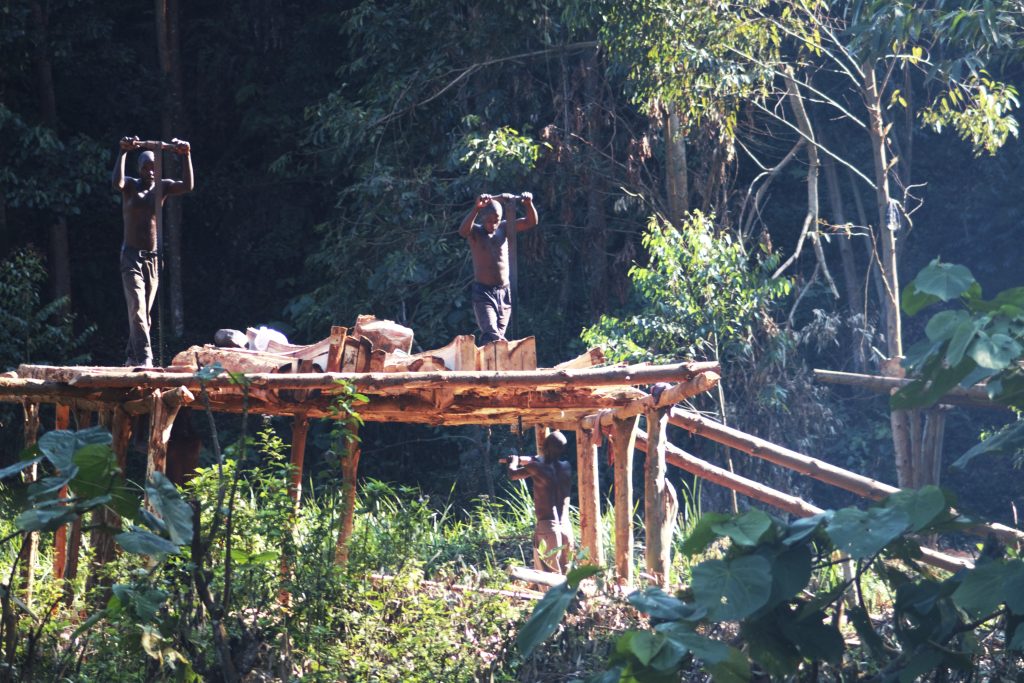
The POP coalition has supported marine protection in the Eastern Tropical Pacific, helped preserve landscapes across four continents, and backed efforts to secure sustainable financing for protected areas.
The summit also saw the launch of the government-led Coalition of Action to Recover Endangered Species (CARES), which brings together Armenia, Colombia and 14 other founding nations to boost international efforts to protect threatened species.
For biodiversity-rich nations such as Uganda and DR Congo, the pledges raise a key question about how will global conservation commitments translate into tangible support for threatened wildlife, plants and ecosystems?
The $500 million pledge represents a significant opportunity, but its true value will be tested not by the sums announced, but by the species it ultimately helps to save.
This story by Fatuma Bugu, a member of Apes Reporting Project, was produced as part of the 2026 CBD COP17 Fellowship, operated by Informed Earth in collaboration with Internews’ Earth Journalism Network

