


Fredrick Mugira
November 25, 2026
World leaders, civil society groups, and indigenous representatives have gathered in Yerevan, Armenia, for COP17 to assess progress on global biodiversity goals. A key focus is the recognition of indigenous peoples as stewards of biodiversity and the challenges they face. In an interview with Fredrick Mugira, founder of the Apes Reporting Project, Joseph Itongwa, regional coordinator of the indigenous peoples’ groups in the Congo Rainforest, discusses key concerns raised at the summit and the future of indigenous rights in Africa.
The Congo Rainforest is the second-largest tropical rainforest on Earth and the world’s primary land-based carbon sink. It absorbs vast amounts of carbon dioxide to help regulate the global climate. It is home to extraordinary wildlife, including all three of Africa’s great ape species, and millions of people, including Indigenous communities like the Batwa and Bambuti, who have stewarded these forests for generations.
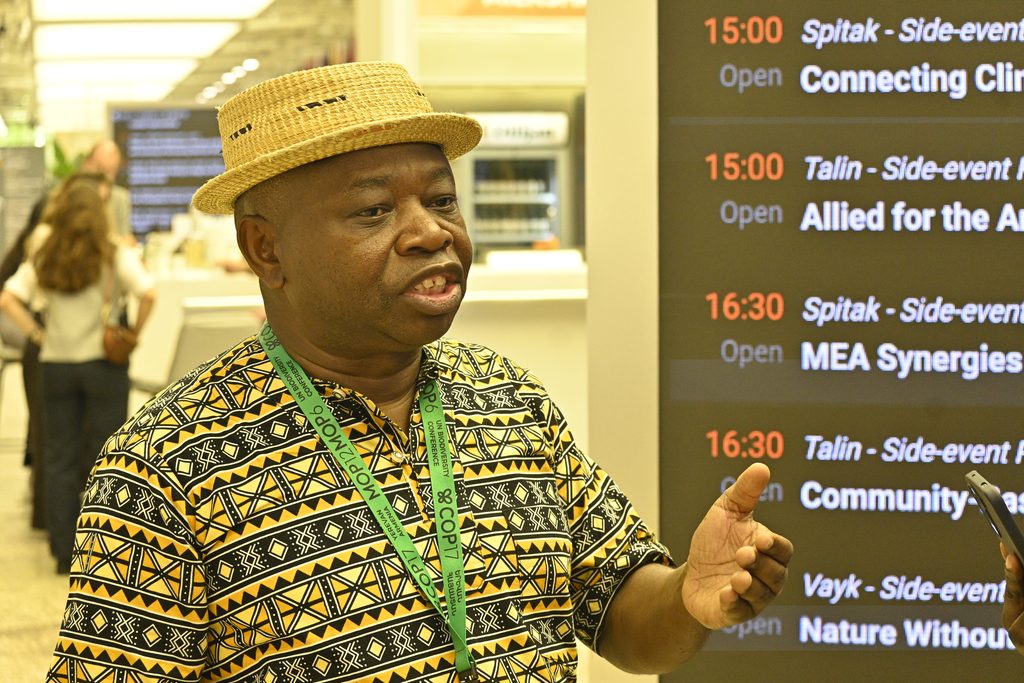
Why are international gatherings like COP17 significant for indigenous communities?
Mr. Itongwa said meetings such as COP17 are important because they allow indigenous communities to be heard on the global stage.
“For generations, indigenous peoples have protected and managed biodiversity, but our rights and traditional knowledge have often been overlooked in conservation policies,” he said. “Here, we are able to highlight the unique challenges we face – insecure land tenure, forced displacement, exclusion from decision-making – and push for real recognition and protection of our rights.”
What are the main concerns for indigenous peoples at COP17?
He said delegates are highlighting urgent issues such as legal recognition and security of ancestral lands.
“Without clear rights to our territories, we remain vulnerable to eviction for mining, logging, or conservation projects. We are also demanding meaningful participation in governance. Decisions about our lands must include us. Access to education, health, and livelihoods is essential, and we want to see international commitments implemented not just on paper, but at national and local levels. While global talks often focus on targets and numbers, for us, the struggle is about survival, dignity, and the preservation of our cultures,” Mr. Itongwa added.
Can you explain your work with indigenous communities in Central Africa?
Mr. Itongwa, originally from DR Congo, is the regional coordinator for Network of Indigenous and Local Populations for the Sustainable Management of Central Africa Ecosystems (REPALEAC), a network representing indigenous peoples and local communities in Central Africa.
“Our work covers countries with hunter-gatherer communities such as the Batwa and Bambuti, as well as pastoralist groups like the Bororo, each facing unique challenges linked to their way of life,” he said.
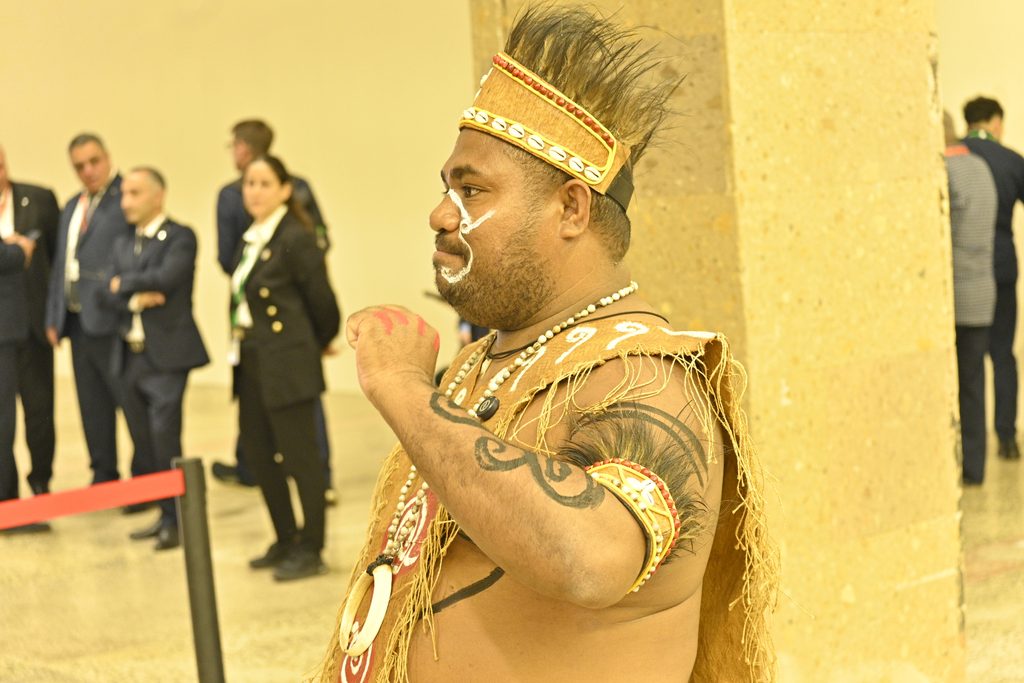
What are the specific challenges these communities face?
He said land security remains the biggest issue.
“Indigenous peoples often lack legal recognition of their ancestral lands, making them vulnerable to displacement by governments and corporations for conservation, mining, oil, and gas projects. Economic interests usually outweigh indigenous rights. Communities such as the Batwa, sometimes known as Pygmies, are also marginalised and often lack the same recognition and power as others. Limited access to natural resources and exclusion from governance of protected areas have led to entrenched poverty. Access to education and participation in decision-making are also restricted. While there has been progress in some countries, many African states still do not fully recognise indigenous rights at the national level, despite international agreements,” Mr. Itongwa said.
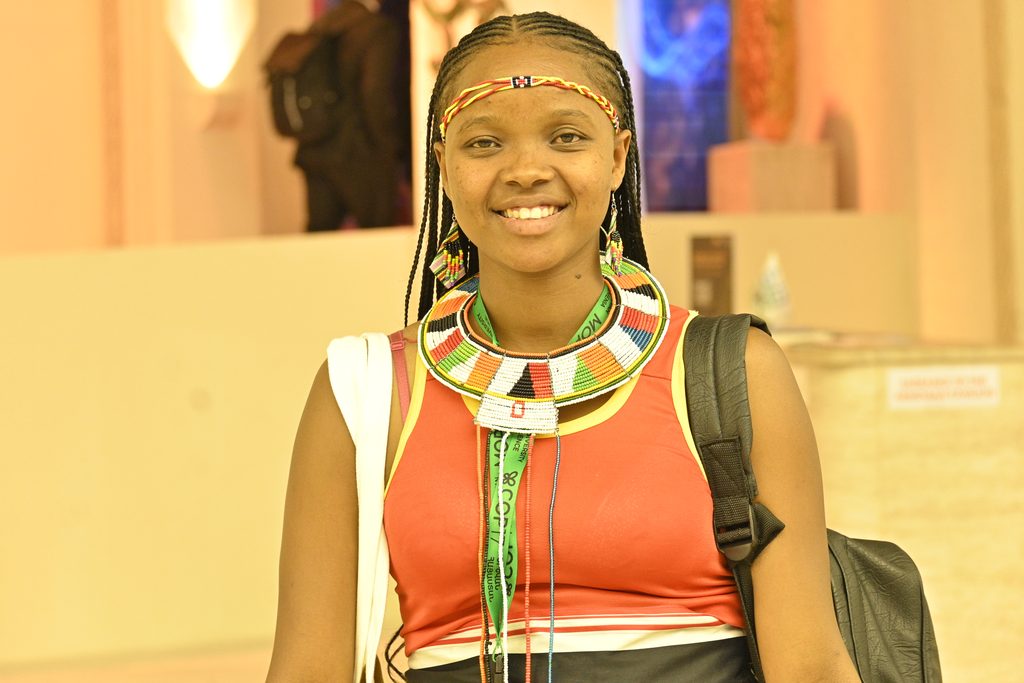
What message do you have for companies grabbing land in indigenous territories?
Mr. Itongwa said documenting cultural sites and territories is a top priority.
“Without solid evidence, we cannot negotiate safeguards or protect our heritage. Advocacy must be grounded in international conventions such as the UN Declaration on the Rights of Indigenous Peoples and the Convention on Biological Diversity. Investors must respect our rights and work with civil society to ensure proper documentation and dialogue. They also need to understand and respect national laws and commit to safeguards that protect our rights, culture, and livelihoods. Too often, companies move forward without consulting us, and activists’ calls go unheard unless there is clear evidence of harm,” he said.
What would you urge regional governments to do?
He urged governments to respect the rights of all people equally.
“Many states claim constitutional equality, but in practice, indigenous communities are often excluded from true representation. Governments must actively implement their international commitments, not just sign agreements and ignore them at home. Too often, economic interests override indigenous rights. States need to honour their commitments to biodiversity and climate change, and ensure that our rights are respected and protected,” he said.
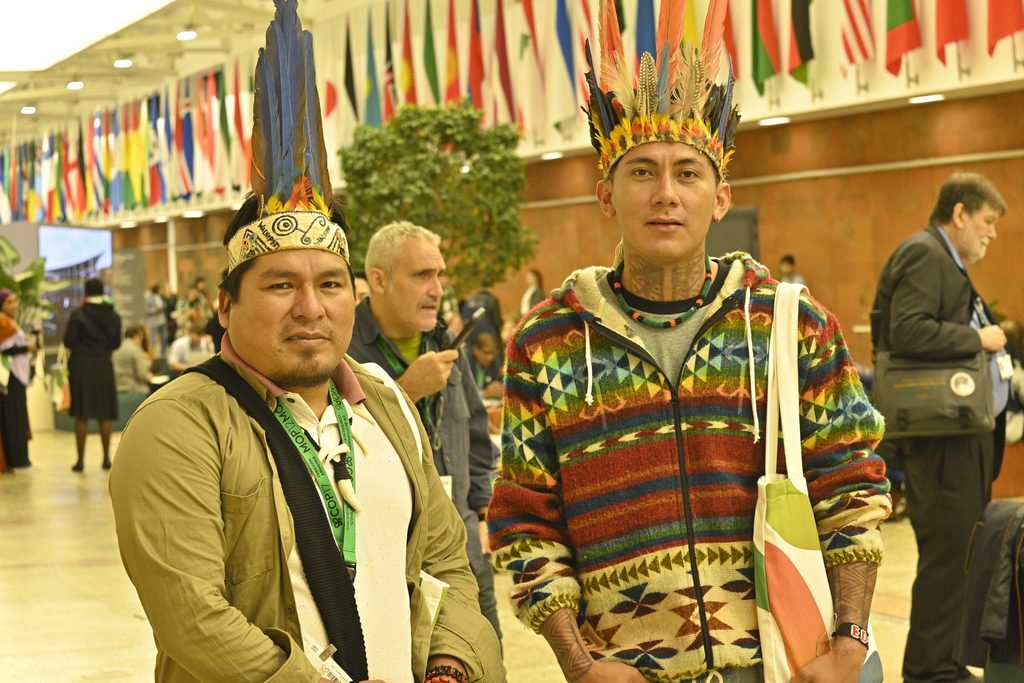
What would success look like for indigenous communities coming out of COP17?
Mr. Itongwa said there has been progress over the past 20 years, with greater recognition and the creation of some new subsidiary bodies. However, indigenous peoples are still fighting for official recognition of traditional territories and for conservation policies that include, rather than exclude, their communities.
“Success for us means seeing concrete results: our rights reflected in national reports, better representation in decision-making, and meaningful access to financing. We want conservation to support livelihoods, education, and health – not just restrict us in the name of biodiversity. Mechanisms like the Cali fund must be implemented so that the communities that protect biodiversity also share in its benefits,” he said.
The Cali Fund is a global fund established under the UN Convention on Biological Diversity to ensure that companies profiting from nature give back to protect it. Large commercial sectors such as cosmetics, pharmaceuticals, and agribusiness frequently use digitized genetic data (DSI) from plants and wildlife to develop commercial products. The fund asks these industries to contribute a small portion of their profits or revenues into a global pool.
Under COP17, negotiations focus on how to manage and distribute these funds fairly. The primary goal is to channel this money directly into global biodiversity conservation, with a major share going to Indigenous Peoples and local communities who safeguard the natural ecosystems where these resources originate.
This story was produced as part of the 2026 CBD COP17 Fellowship, operated by Informed Earth in collaboration with Internews’ Earth Journalism Network.

