

Fatuma Bugu
October 27, 2026
The Congo Basin stands at the frontline of Africa’s battle for biodiversity, a living warning of what could be lost if global and regional conservation pledges fall short.
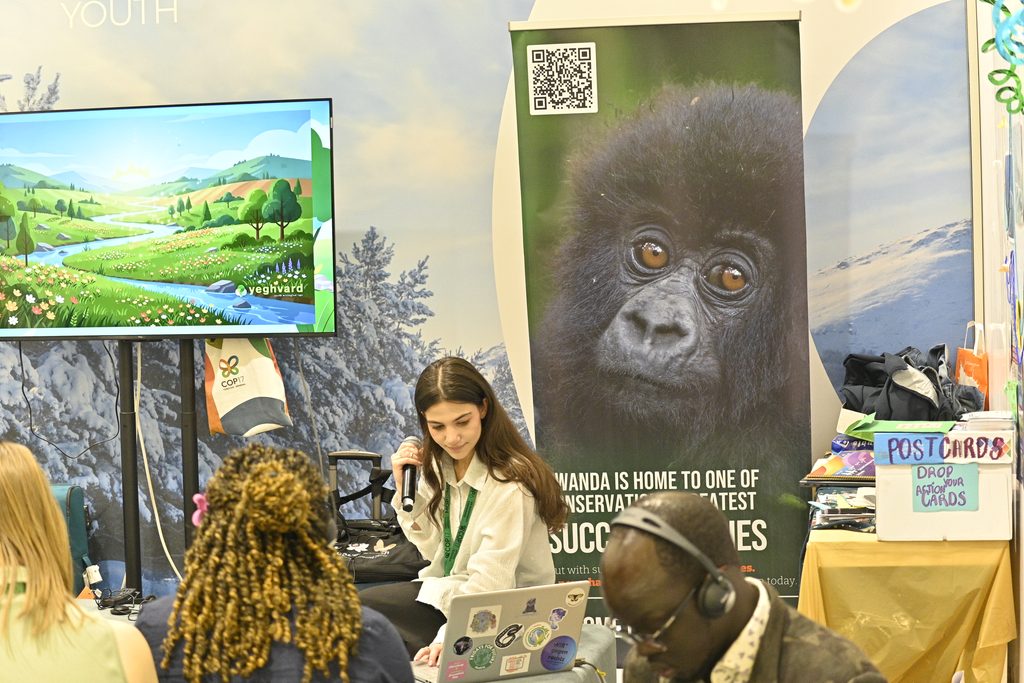
Spanning six countries including Cameroon, the Central African Republic, the Democratic Republic of Congo, the Republic of Congo, Equatorial Guinea and Gabon, Congo basin is home to the world’s second-largest tropical rainforest, surpassed only by the Amazon.
Covering about 200 million hectares (500 million acres), it accounts for over 70% of Africa’s tropical forests, according to the World Wide Fund for Nature (WWF). The basin is a haven for forest elephants, gorillas, chimpanzees and bonobos, alongside thousands of other species. Its forests and peatlands store vast amounts of carbon, underscoring their importance for global climate stability.
Livelihoods under threat
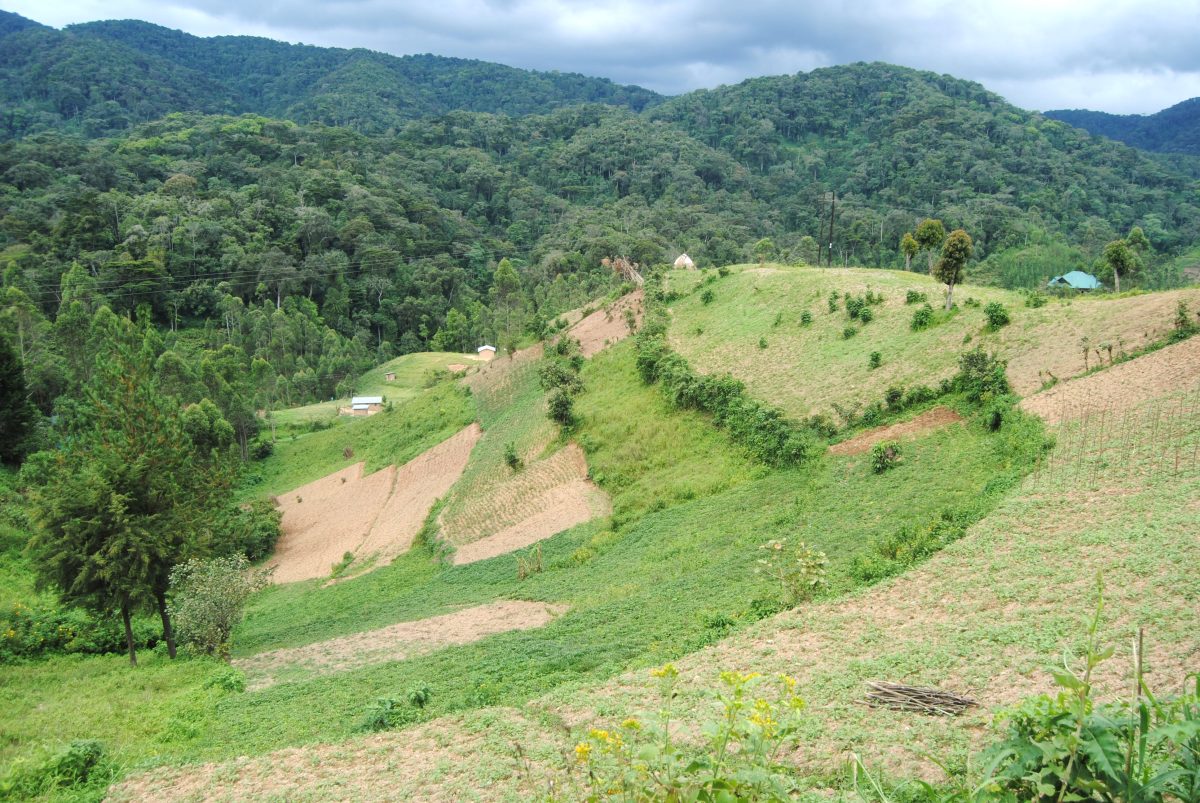
But the Congo Basin is no untouched wilderness. WWF estimates some 60 million people rely directly on its resources for food, medicine, shelter and livelihoods. For local and Indigenous communities, the forest is central to their identity and survival.
Yet, severe environmental pressures are escalating:
- Illegal hunting and wildlife trafficking
- Unregulated commercial logging
- Agricultural expansion and deforestation
- Mining and fossil fuel extraction
Where poverty runs deep and alternatives are few, communities often turn to activities that harm the environment. Conservationists stress that protecting nature will not succeed without tackling the economic pressures driving exploitation.
In April 2026, the World Bank announced a $394.8m (£310m) funding package for its Sustainable Congo Basin Forest Economies Programme. The project aims to improve forest management, strengthen sustainable supply chains and create jobs across Cameroon, the Central African Republic and the Republic of Congo, tying conservation efforts more closely to economic policy.
But campaigners say funding alone will not be enough. “The biggest challenge facing forest conservation is inadequate financing,” says Agbor James Ayamba from the Ajemalebu Self-Help organisation in Congo. Speaking about regional conservation through the Central African Forest Commission (COMIFAC), he called for urgent international support to safeguard the basin.
The gap between paper and practice
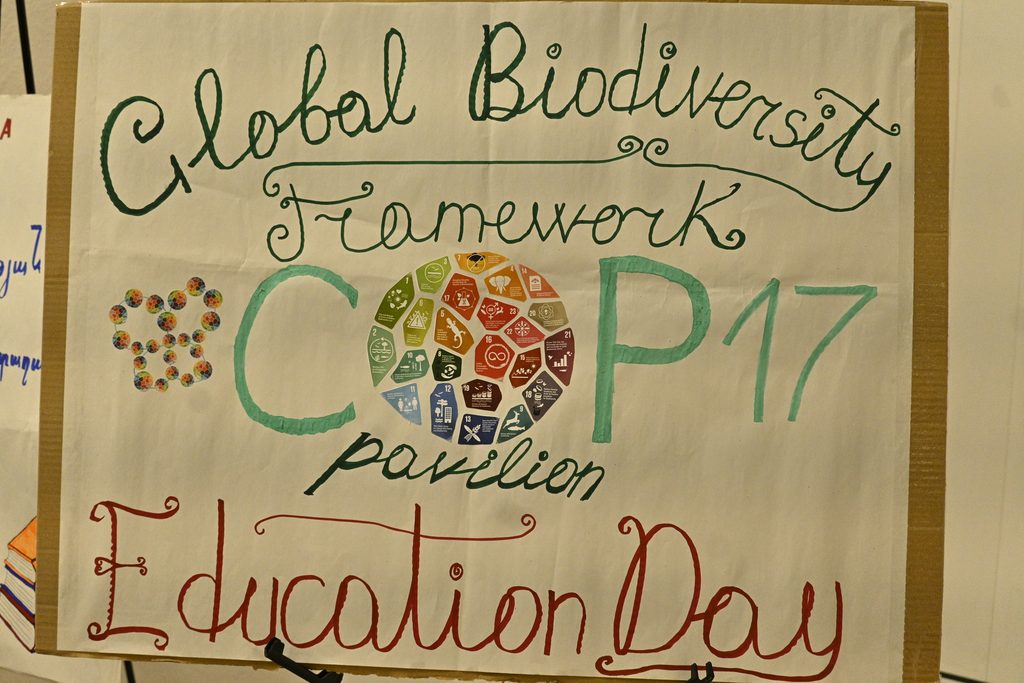
The Congo Basin’s crisis is mirrored across the continent. As delegates gather for the COP17 UN Biodiversity Summit in Armenia, negotiators are left with a fundamental question: what is the value of a pledge if habitats keep shrinking?
Elephants do not recognise borders. Lions do not understand land titles. Forests cannot tell the difference between a government that acts and one that fails to protect. A new WWF review of progress in 16 African countries points to a widening gap between government promises and the situation on the ground.
The report, titled From Commitments to Action, reveals that while 98% of African countries have set national biodiversity targets and 80% have submitted required progress reports, implementation remains severely bottlenecked by funding shortfalls, poor monitoring, and weak institutional capacity. “Commitments on paper are not consistently translating into tangible improvements for wildlife, ecosystems, and communities,” the report warned.
Conflict and solutions in East Africa
Similar pressures are unfolding in East Africa, where expanding infrastructure, farming, and fencing continue to fragment key wildlife corridors.
In southern Kenya and northern Tanzania, shrinking habitats are fuelling human-wildlife conflict. Encounters often mean destroyed crops, killed livestock and the hunting of endangered predators in retaliation. For Maasai communities, conservation is not an abstract target—it is a daily reality, balancing life alongside wildlife with the need to feed their families.
Through initiatives like WWF’s Land for Life project, covering nearly 8,900 sq km (3,400 sq miles) across Kenya and Tanzania, practical interventions are proving successful:
- Reinforcing traditional livestock enclosures with trees and fencing has protected nearly 38,000 animals at night.
- In Tanzania, predator attacks on livestock fell from 516 in 2022 to 300 in 2024. Retaliatory killings dropped from 19 to just three.
- More than 6,900 people have found new livelihoods, from beekeeping to poultry farming and crafts.
Protecting nature must become a national priority
There are success stories. Namibia’s communal conservancies give local people a direct financial stake in wildlife. In Senegal, the Great Green Wall reforestation is restoring parched land. Uganda is working to rebuild lost wetlands. But experts warn these successes will remain isolated unless governments put conservation at the heart of their budgets, infrastructure and farming policies.
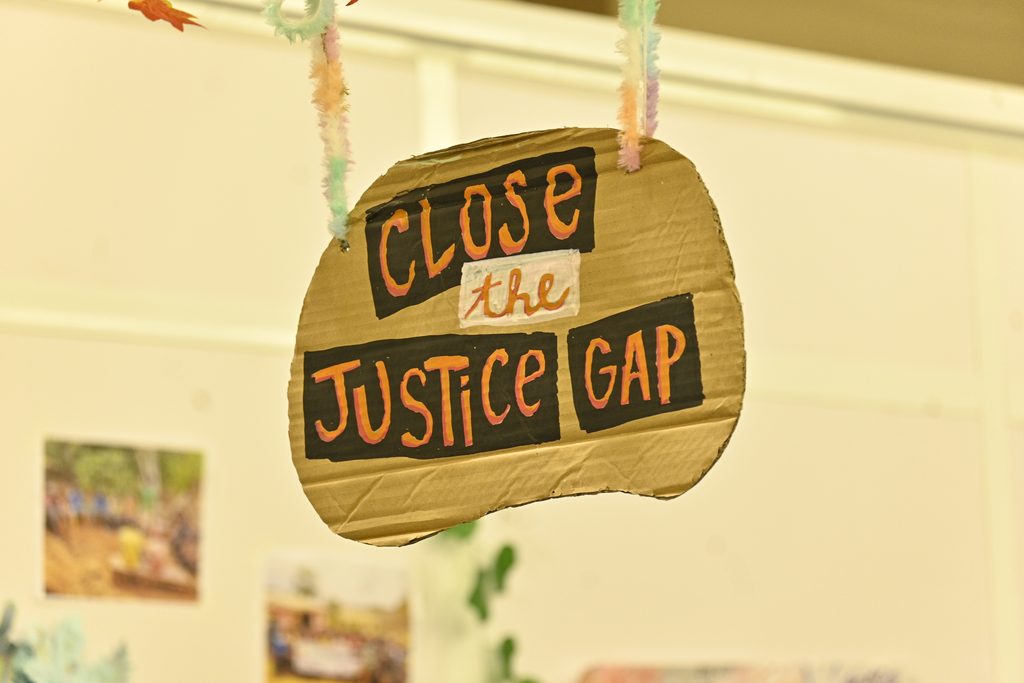
“Protecting nature must become a national development priority, backed by budgets, measurable targets, and meaningful community participation,” said Durrel Halleson, WWF Africa’s Head of Policy and Partnerships.
That view is echoed by Ousseynou Kassé, who chairs the African Group of Negotiators on Biodiversity. “African countries have shown strong commitment to implementing the Global Biodiversity Framework,” Mr. Kassé said in Yerevan. “COP17 must now help create the conditions for success through adequate finance, capacity building, and implementation support.”

The Global Biodiversity Framework, adopted in 2022, set a target to protect 30% of the world’s land and oceans by 2030. With the deadline looming, Indigenous and local communities say their voices must shape the solutions. Basele Stephen Galgesa, who leads the Pastoralist Goals Foundation in Kenya, is urging leaders to respect local land rights and ensure free, prior and informed consent for all projects on community land.
In the end, COP17 will be judged not by speeches in Yerevan, but by whether forests are left standing, wildlife can roam and communities thrive alongside the natural world.
This story by Fatuma Bugu, a member of Apes Reporting Project, was produced as part of the 2026 CBD COP17 Fellowship, operated by Informed Earth in collaboration with Internews’ Earth Journalism Network.

