
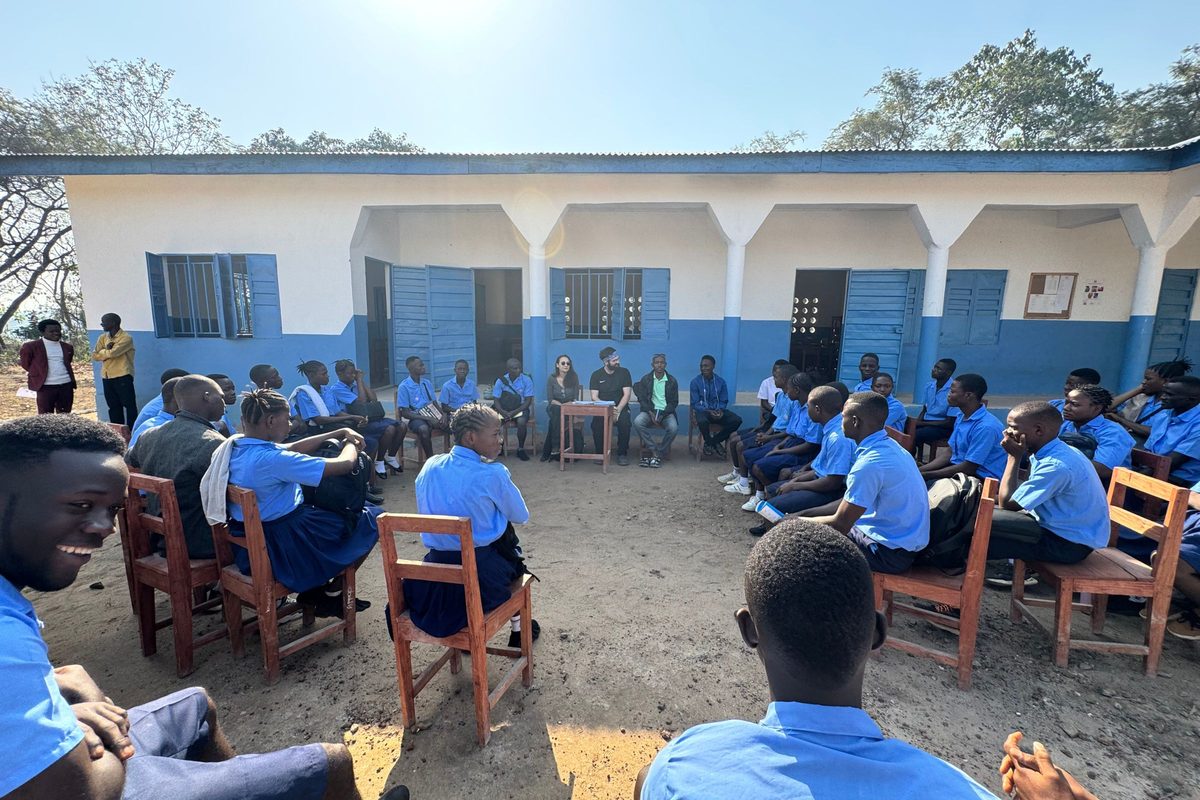

FREETOWN — In Sierra Leone, a practical teaching programme in remote communities has increased children’s environmental knowledge by 35 percent and shifted local attitudes toward the bushmeat trade.
Across many remote areas of the country, young people grow up amid declining wildlife populations. Living near biodiverse landscapes inspires a deep connection to the environment, but it also brings threats. As a result, these communities near conservation boundaries face deforestation, environmental degradation, poor sanitation infrastructure, and human-wildlife conflict.
In response to these environmental challenges, the Tacugama Kids Environmental Education Programme (TKEEP), run by the Tacugama Chimpanzee Sanctuary, operated across Outamba-Kilimi National Park, Jaibui Island, and the Western Area Peninsula National Park during the 2025–2026 academic year. The Go-Ape Foundation also collaborated to support environmental education in schools in Outamba-Kilimi National Park and Jaibui Island.
During the twelve months, the project reached 420 pupils across 12 primary schools, including 245 children in seven schools in the Outamba-Kilimi region and 175 pupils in five schools on Jaibui Island.
Practical Experiments Replace Traditional Rote Learning
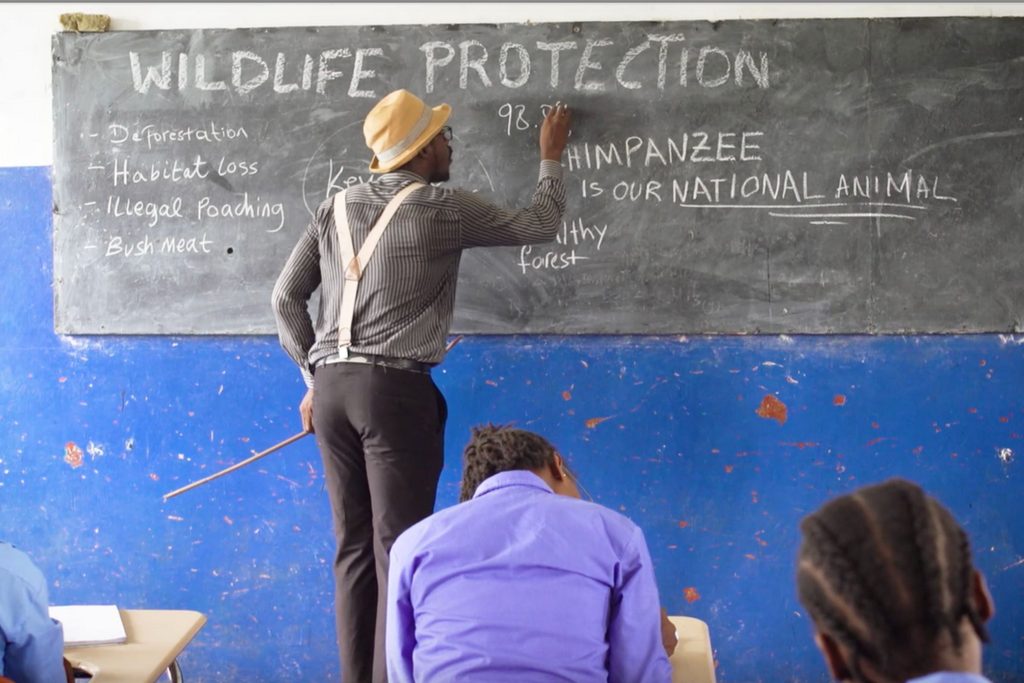
Students became more engaged after a new teaching approach replaced older methods. In previous years, local schools used classroom lectures and written tests. This year, instructors added practical activities such as conservation games, discussions, experiments, and outdoor lessons.
In one exercise, called Rainforest in a Box, pupils built two miniature landscape models to compare forested and deforested environments. Using a colander to simulate rainfall, students observed how tree removal exposes soil and how loss of canopy cover increases vulnerability to extreme weather and erosion.
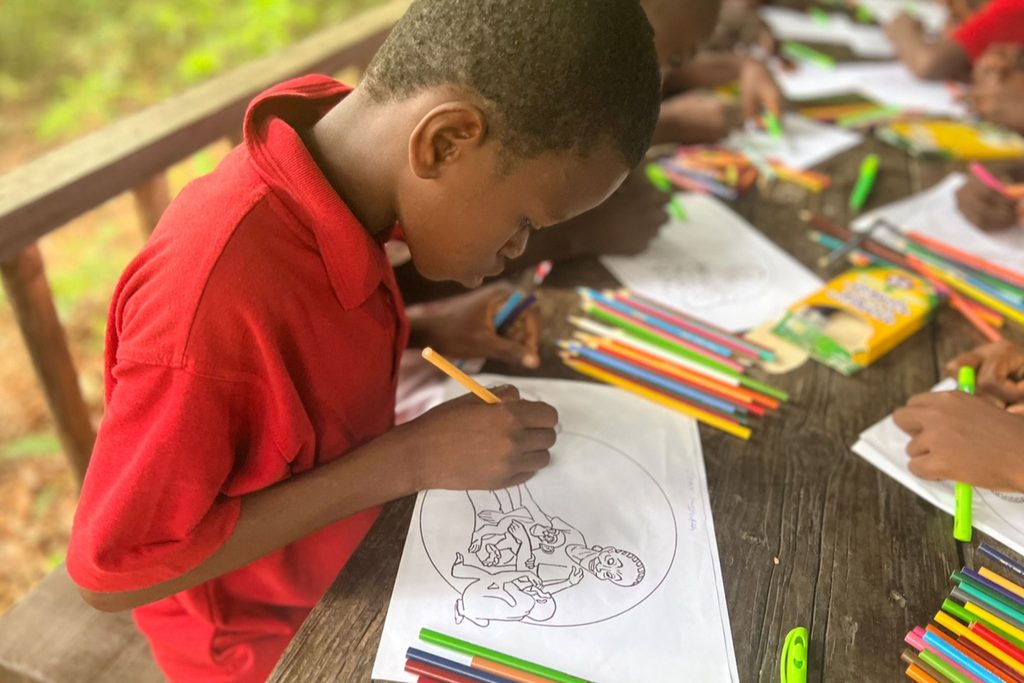
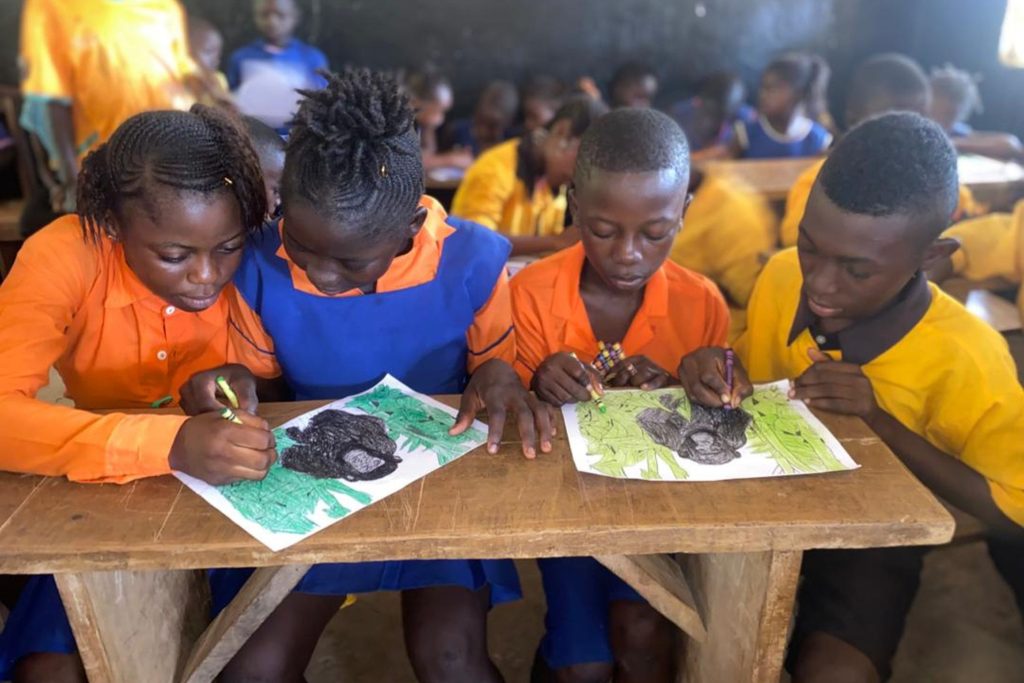
Pupils also explored conservation through the creative arts, including drawing rainforest ecosystems, performing health- and sanitation-focused dramas, and taking part in outdoor quizzes on local wildlife.
Rural conservation projects often fail when taught only through abstract textbooks. Experts believe that when lessons connect directly to local issues such as soil loss and crop protection, children see immediate value in conservation.
To connect environmental stewardship directly to food security, schools established vegetable gardens. Students learned seed nursing, crop management, and sustainable agriculture, making food growing a regular hands-on lesson.
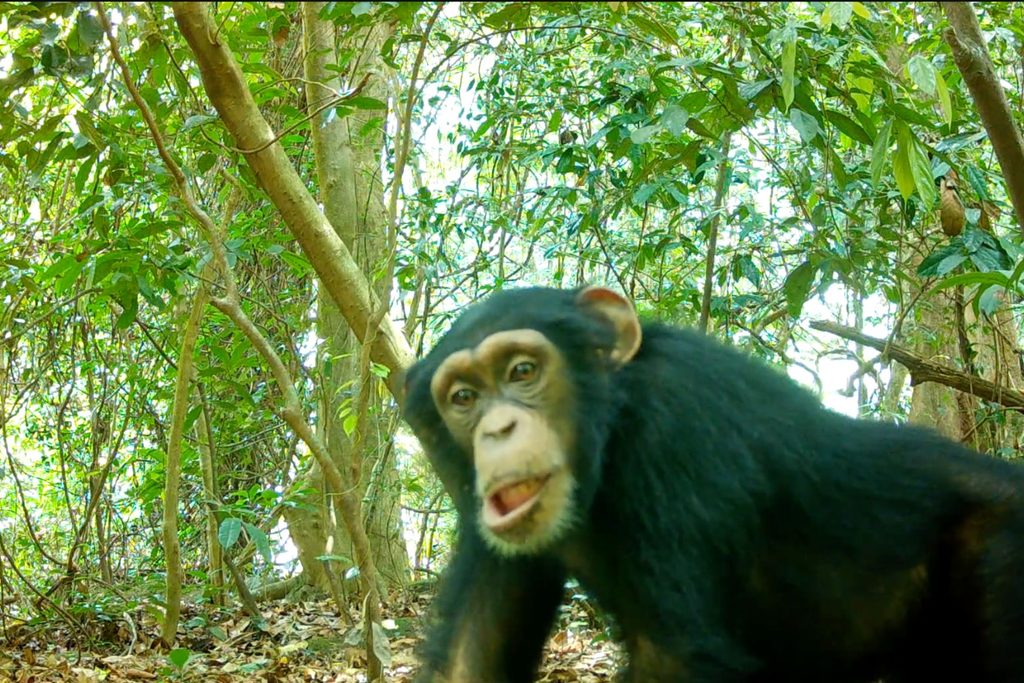
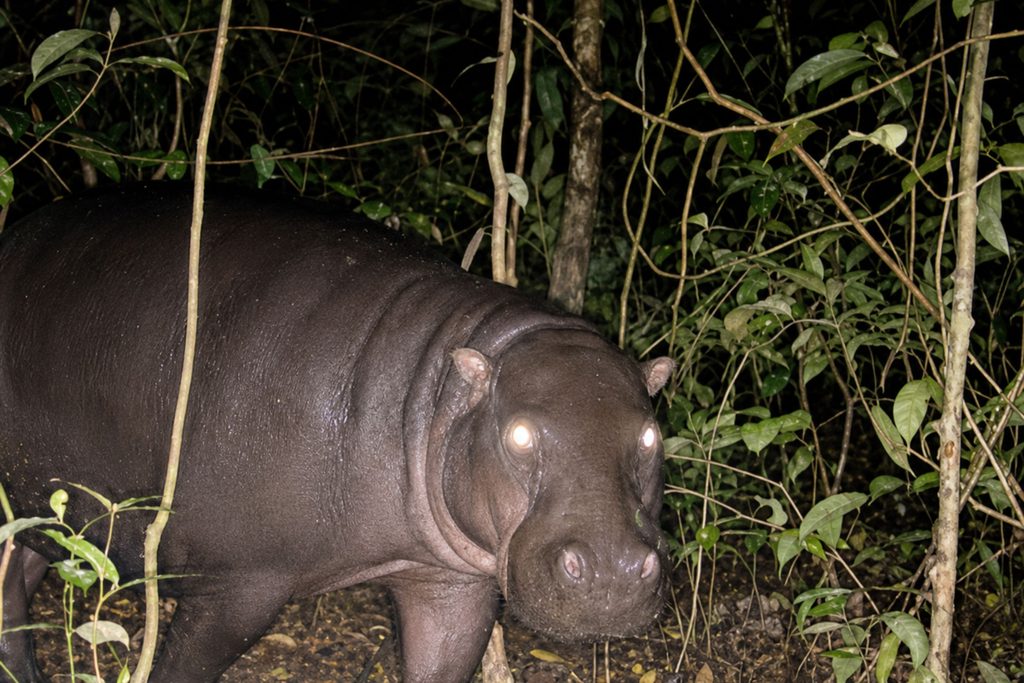
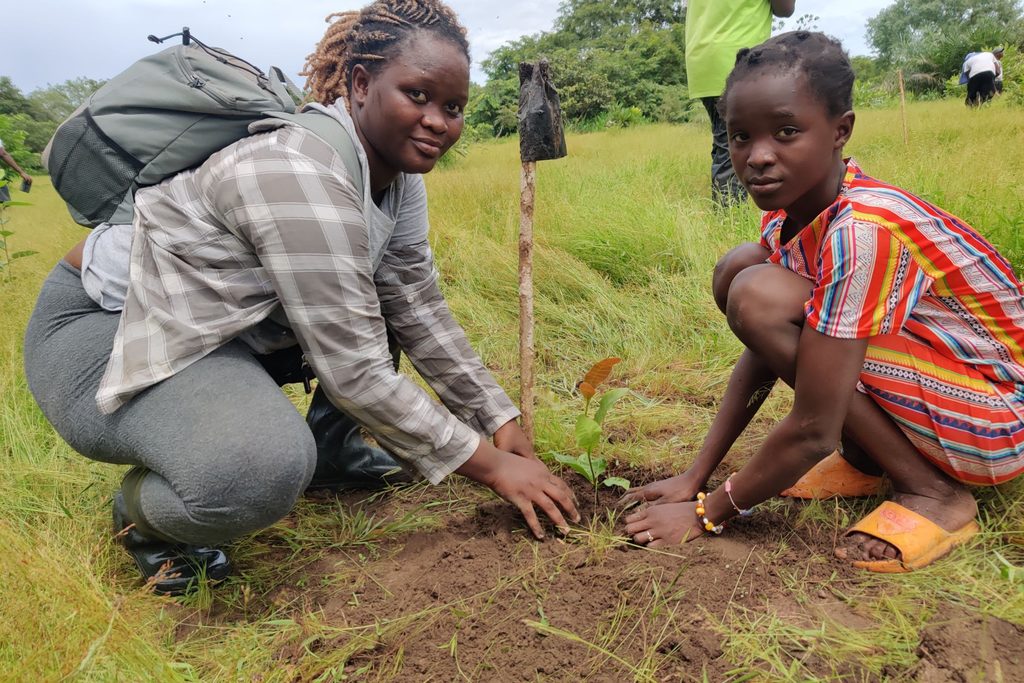
“Over the past year, we have seen children engage more when environmental education becomes something they can experience rather than simply learn from a textbook,” said Lloyd Antrobus, Education Coordinator at the Tacugama Chimpanzee Sanctuary.
He said practical activities, games, discussions, and outdoor learning help students feel comfortable asking questions, sharing ideas, and linking conservation to their lives.
Training Teachers to Reach Wider Communities
Knowing local teachers are key to lasting change, the project introduced monthly workshops at participating schools. Training covered teaching basics, lesson planning, peer observation, and one-on-one support. By the end of the year, surveys showed that teachers gained confidence in delivering outdoor activities and adapting to varied learning styles.
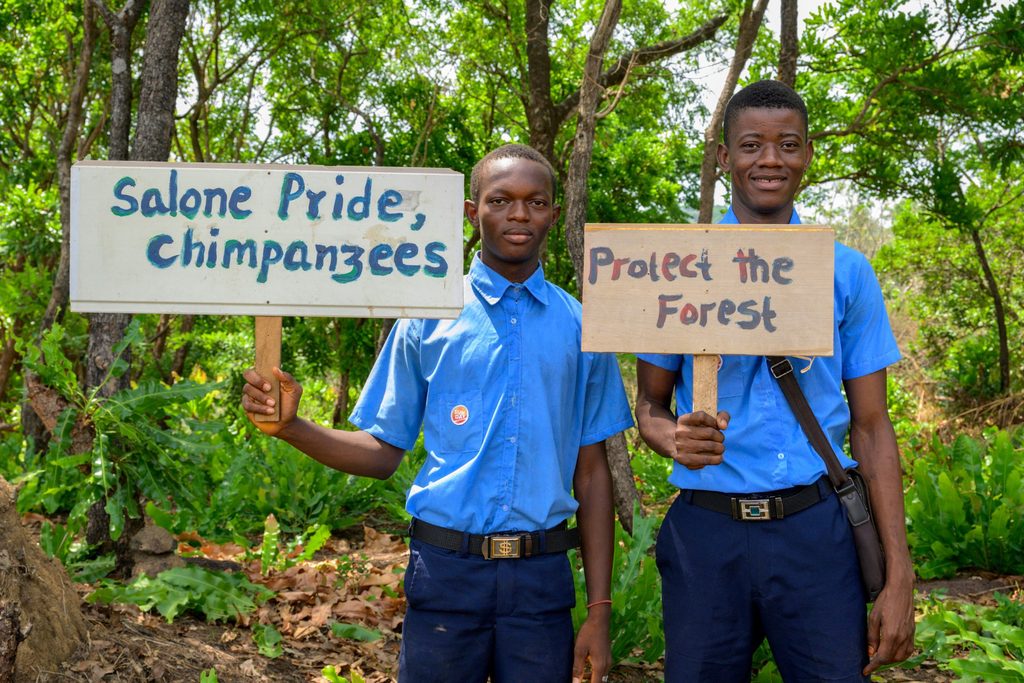
The programme also reached more people through community Deforestation Awareness Days. Pupils took part in public speaking, sports, and drama focused on reforestation and sustainability to share conservation ideas with family, friends, and local leaders, including the Fintonia Town Chief and the Section Chief for Upper Tambakha.
Reversing misconceptions about bushmeat and zoonotic disease risks addresses biodiversity loss and health vulnerabilities in remote regions. Helping children present ideas to village chiefs makes primary schools centers of community change.
Measurable Gains in Literacy and Public Health
Following the project, two key areas saw a 35% rise in environmental knowledge compared to earlier tests.
Before the project, many pupils believed eating bushmeat carried little health risk. Post-assessments showed that a majority recognised bushmeat consumption as a potential vector for disease transmission. Scores also improved in legal protections for primates, wildlife laws, and how deforestation affects the environment. In the Outamba-Kilimi region, pupils identified human-wildlife conflict as a major farming challenge and proposed solutions like community cleanups, anti-littering drives, and tree planting.
“Working with the schools around Outamba-Kilimi means seeing first-hand how closely conservation is connected to everyday life,” said Patrick Bantamoi, Education Officer at the sanctuary.
According to Bantamoi, pupils possessed deep knowledge of their surrounding environment but were also acutely aware of the daily agricultural pressures and human-wildlife conflicts affecting their families.
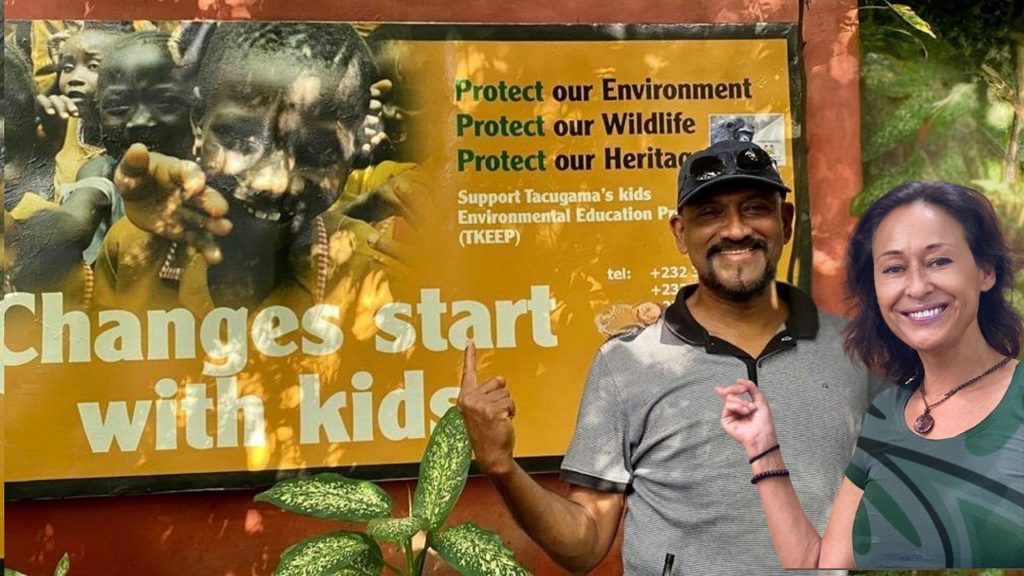
He noted that the most rewarding aspect of the project was witnessing the children “become more confident in talking about those challenges and suggesting their own solutions.”
Based on these results, leaders plan to add more outdoor activities, focus more on wildlife knowledge, and bring guest speakers into classrooms next year, thereby strengthening the programme long-term impact and community engagement.
“Giving young people the chance to learn about nature, ask questions, and help protect it is something I believe will stay with them for life,” said Rowena Facee Schaeffer, founder of the Go-Ape Foundation, further stressing that, “this shows the programme can create lasting change and stronger community engagement”

