

Daniel Bisset
October 26, 2026
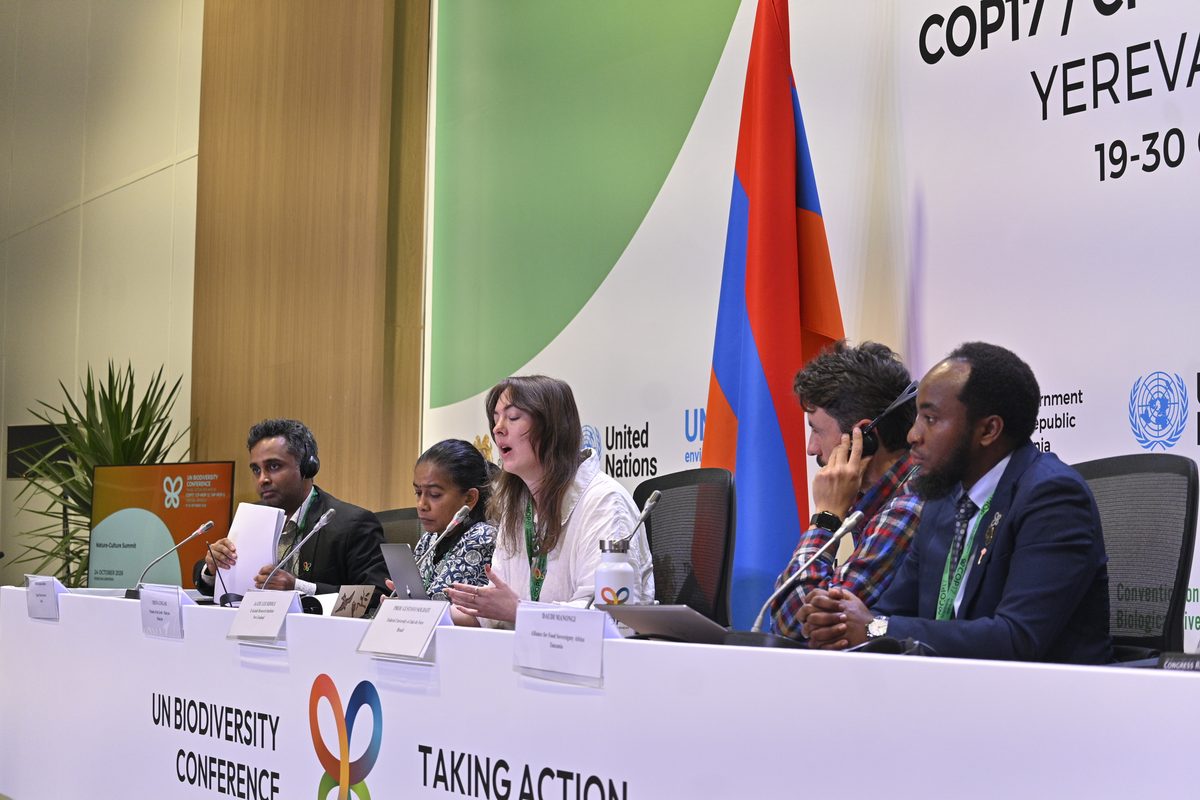
YEREVAN, Armenia — Ethiopia has unveiled a new strategy to streamline access to genetic resources and promote equitable benefit-sharing, launching the initiative at the 17th United Nations Convention on Biological Diversity (COP17) in Yerevan.
Speaking on a panel, Million Adane, Ethiopia’s National Focal Point for the Nagoya Protocol on Access and Benefit-sharing, shared lessons from developing the new “ABS Easy Guide” with delegates from partner countries.
He said, the guide is designed to, “help users navigate access to genetic materials,” ensuring that, “benefits from their commercial or scientific use are shared in a fair and equitable manner.”
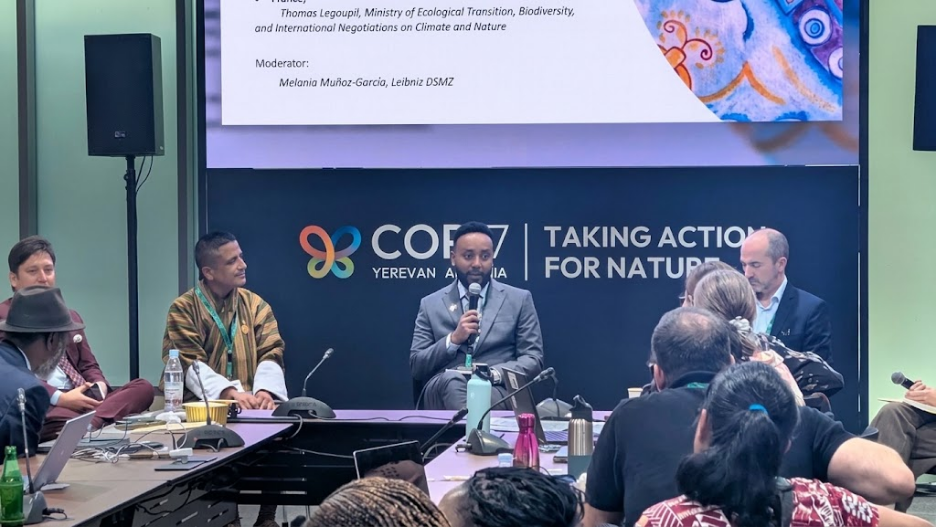
The manual was developed in partnership with Germany’s Leibniz University, with backing from the Secretariat of the Convention on Biological Diversity (CBD) and funding from the Japan Biodiversity Fund.
Domestic implementation of the Nagoya Protocol is led by the Ethiopian Biodiversity Institute (EBI), which is using COP17 to exchange technical expertise and promote sustainable resource governance.
The Nagoya Protocol, adopted under the CBD framework, sets out a legal structure for benefit-sharing. Ethiopia’s proactive approach is being viewed as a possible model for balancing genetic conservation and economic development.
For Africa, streamlined Nagoya Protocol frameworks is critical. Clear, standardized rules help African nations retain sovereignty over their biological assets and ensure research benefits support local conservation and livelihoods.

This balance is particularly important for great ape conservation in Africa. Non-invasive biological sampling such as analysing faecal matter, hair, and chewed plant materials has become central to research on the health, genetic diversity and disease risks affecting chimpanzees, gorillas and bonobos. However, foreign institutions have often exported these genetic samples without providing diagnostic tools, funding or shared research credits to host countries.
Simplified Nagoya Protocol mechanisms allow African conservationists, field trackers and local communities to demand fair benefit-sharing. Standardised access rules can help ensure ape research leads to local capacity building, funded conservation initiatives and shared scientific recognition.
This story by Daniel Bisset, a member of Apes Reporting Project, was produced as part of the 2026 CBD COP17 Fellowship, operated by Informed Earth in collaboration with Internews’ Earth Journalism Network.

