

Apes Reporting Project
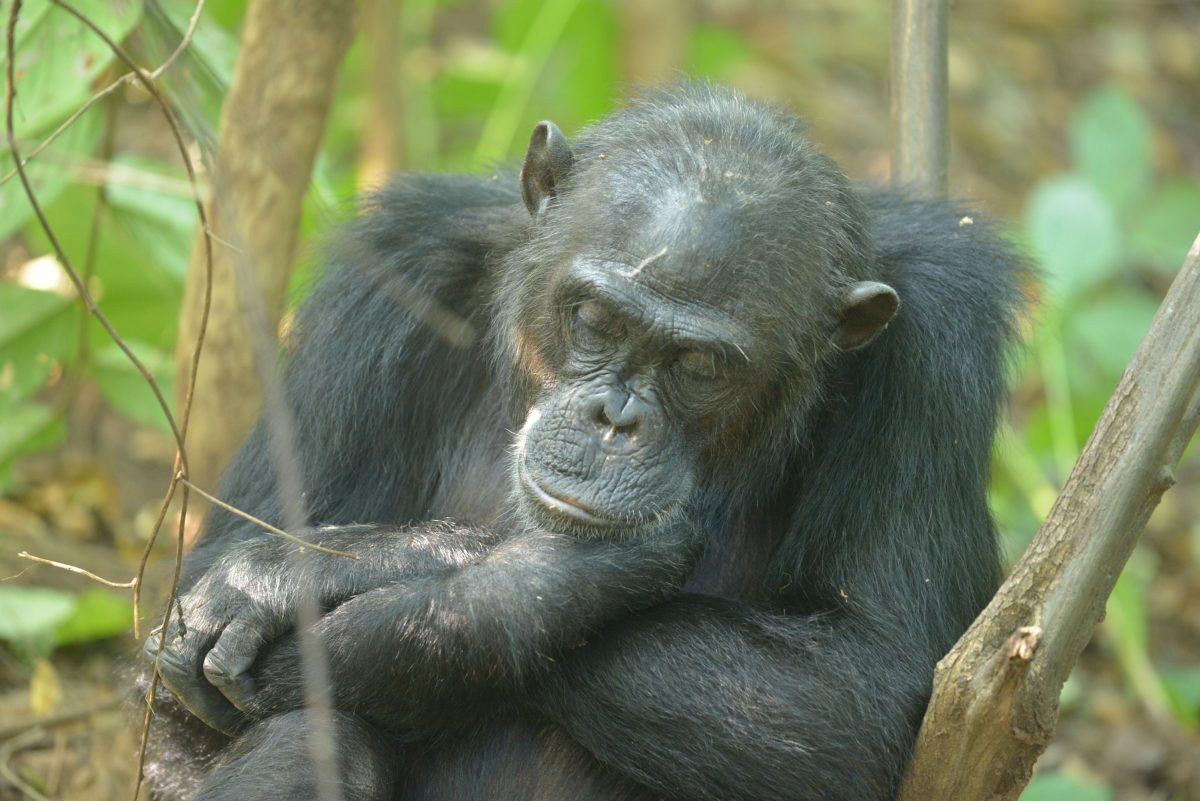
Chimpanzees in Kibale Forest National Park in western Uganda have been locked in a violent conflict, leaving communities along the Fort Portal–Kamwenge Road in shock after a fierce clash between rival groups lasted for several hours over the weekend.
According to local residents, the two groups of chimpanzees have lived in close proximity for years. Tensions, however, have escalated recently, leading to open hostilities.
Rising Tensions Between Groups
Justus Byamugisha, a local tour guide at Bigodi Wetland Sanctuary near Kibale, said he has observed the two rival groups since 2010, when he began guiding visitors in the area.
“We know these two groups because we have been taking visitors to see them. They have had conflicts before, but four days ago they staged a very fierce fight,” Byamugisha told Apes Reporting Project.
John Bwambale, another local tour guide, recalled that three years ago a similar fight broke out, resulting in the deaths of two chimpanzees.
“The Ngogo chimpanzees are about 200 in number, and for decades they lived together. In recent years, however, we have watched a violent split unfold in slow motion,” he said.

A Community Divided
Bwambale said that between 2021 and 2024, about 14 adolescent chimpanzees and several adult males disappeared or died. The Western group now appears to dominate the central group in the forest.
“These were chimps that would hold hands. They sometimes become friendly, and all of a sudden change. Now they are killing each other,” he said.
Sunday Ojok, a tour guide in Kahunge, Kamwenge District, said he first observed the latest fighting on 12th April 2026 while leading visitors in the park.
“We observed rare violence in the bush, with many chimpanzees crying and trees shaking uncontrollably on Friday evening. Whenever they are agitated, we are advised not to approach as they can also attack humans, so we left. The fight continued on Saturday around 11am as we took visitors trekking. That section has about 200 chimpanzees divided into two groups: Central and Western,” Ojok said.
Ojok estimated that some chimpanzees could have died during the two-day fight, although the exact number could not be confirmed.
“I have been observing these chimpanzees since 2014. Initially, the changes were subtle—small cliques started to form, including a tight-knit trio of adult males who appeared to strengthen their alliances. Now, the situation has become tense,” he said.
After the split, chimpanzees from one group began attacking those from the other, leading to an escalated period of violence.
“The war could have been triggered by many factors, including competition for food and mates or leadership changes,” Jok said.
Possible Causes for the Split
Kibale Forest National Park is home to one of the largest populations of wild chimpanzees in Uganda, with more than 1,500 individuals in at least 12 different communities.
Four of these communities have been habituated for tourism and research, with the Kanyantale chimpanzee community being the most popular for visitors. This group has been open to tourists daily since 1993, making it one of the longest-running chimpanzee tracking programmes worldwide.
Calm After the Storm
Sliver Kamugisha, a tour driver, said that since Saturday evening, the forest has been calm following the fierce fight.
“I was there on Saturday afternoon. We could not see any chimpanzees. The whole situation is very calm now. We do not know what is happening. Whenever they fight, the elderly and the young suffer most,” Kamugisha said.
According to research published in the journal Science, the intensity and duration of the violence among the chimpanzees may offer insights into the development of early human conflict.

Scientific Insights into Chimpanzee Conflict
This incidence comes days after publication of a 30-year study of the world’s largest wild chimpanzee community that documented a rare and deadly conflict. This civil war has resulted in dozens of deaths and the collapse of a once-unified society. The Ngogo chimpanzees of Kibale National Park, previously a group of nearly 200, have now split permanently into two warring factions: the Western and Central groups.
The research, published in science, documents a shift from unity to sustained violence. Between 2018 and 2024, the smaller Western group conducted 24 raids into former allies’ territory, killing at least seven mature males and 17 infants from the Central group.
The Road to Fission
The breakdown began in 2015 after two decades of peace. Researchers observed a “major network transition” that year as the community separated into two polarized groups. This division was likely driven by the group’s unprecedented size, which may have made it difficult for the chimpanzees to maintain the social bonds required for unity.
Several key events triggered the split. In 2014, the deaths of five adult males and one adult female severed vital social “bridges” between the groups. In 2015, the alpha male changed. In 2017, a respiratory epidemic killed 25 individuals, including the last males who maintained friendships across both factions.
A Smaller Force Dominates
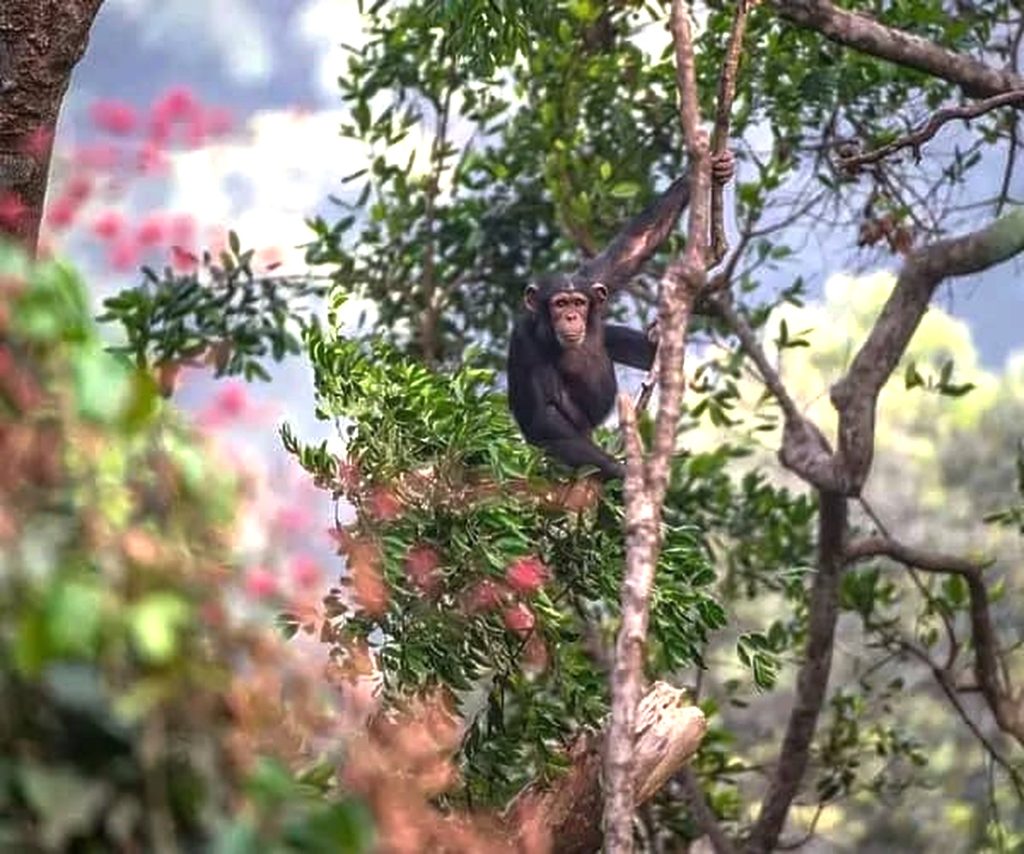
By 2018, the two groups were completely isolated, leading to increased violence. Contrary to typical biological expectations, the smaller Western group, with only 10 adult males compared to the Central group’s 30, became the primary aggressor.
Western males have been observed conducting territorial patrols and deliberately targeting members of the Central group. In one incident, Western chimpanzees attacked and severely injured the Central group’s alpha male, who had previously belonged to the Western cluster. Researchers note that the Western group’s success demonstrates that strong social cohesion and enduring friendships can overcome a significant numerical disadvantage.
Rethinking the Origins of Conflict
The Ngogo conflict shows that collective violence can occur without the cultural markers often associated with human warfare. In the absence of religion, ethnicity, or political ideology, the study supports a “relational dynamics” model, indicating that the erosion of interpersonal relationships can turn former friends into mortal enemies.
“Individuals who lived, fed, groomed, and patrolled together for years became targets of lethal attacks based on their new group membership,” the researchers wrote. The study concludes that many human conflicts may also arise from the breakdown of daily social ties rather than from deep-seated ideological divisions.
The Ngogo Chimpanzee Project conducted this research in collaboration with the Uganda Wildlife Authority and Makerere University.

